
Recent Posts
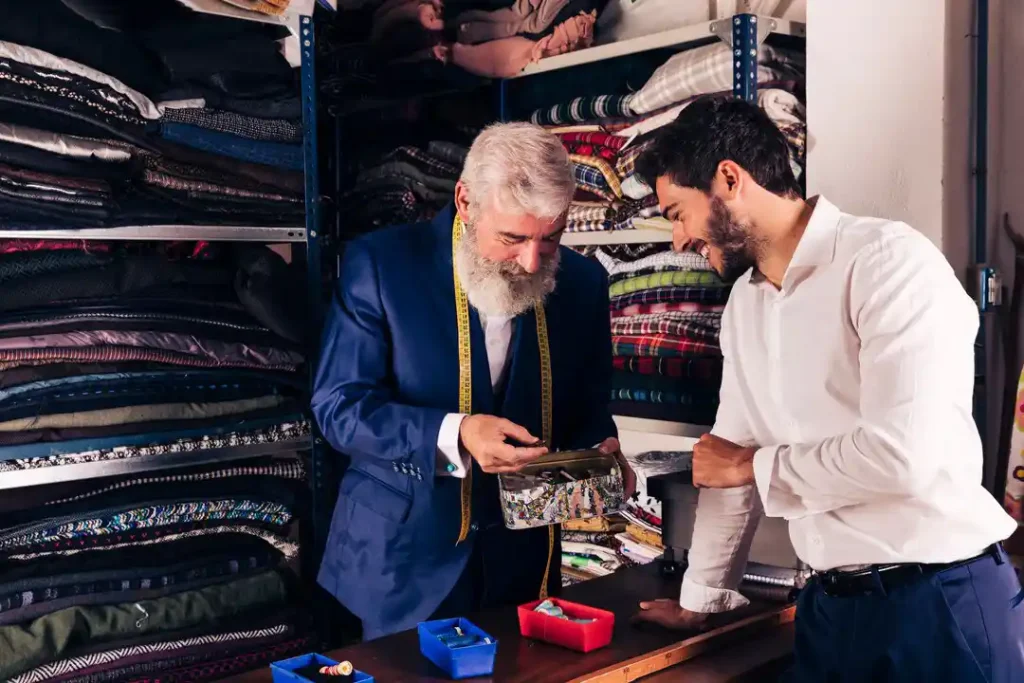
A bespoke suit is built from an individual pattern created from a client's own measurements, rather than adjusted from a factory template, which is why it tends to sit better across the shoulders and drape more naturally through the body. The tradeoff is time and cost, since a proper bespoke commission usually needs at least one fitting and a fabric budget that reflects the extra hand work involved.
People throw the word bespoke around loosely these days, slapping it on suits that are really just made to measure with a fancier label. The Travelling Tailor treats the distinction seriously, because it changes what a client should expect from the process and the price. This guide breaks down what actually makes a suit bespoke and whether it is worth the extra step for most people.
What Actually Makes a Suit Count as Bespoke?
A true bespoke suit starts with a pattern drafted from scratch for one person's body, not adjusted from an existing block. That distinction matters because a drafted pattern accounts for posture, shoulder slope, and asymmetries most people have without noticing. Made to measure, by contrast, takes a standard pattern and adjusts the numbers, which gets closer to a good fit but rarely matches a fully bespoke garment.
What Happens During a Bespoke Suit Fitting Process?
The process behind a bespoke suit involves more back and forth than most first-time clients expect. Each stage exists to catch problems before they become permanent.
- Initial consultation to discuss style, occasion, and fabric preference
- Full measurement session covering shoulders, chest, waist, and posture
- A baste fitting on a roughly assembled jacket to check the core fit
- A second fitting once major adjustments are made
- Final pressing and finishing before delivery
Skipping any of these steps is usually where corners get cut, and it tends to show in the finished garment.
How Much More Does a Bespoke Suit Typically Cost?
A bespoke suit generally costs more than off the rack or made to measure options, mostly because of the labour involved in drafting a pattern and running multiple fittings. In Dubai, prices for genuinely bespoke work often sit toward the upper end of the local range, closer to AED 4,000 or beyond depending on fabric. Fabric choice moves the number as much as the tailoring itself, since imported mill cloth costs considerably more than standard stock.
What Fabric Choices Work Best for a Bespoke Suit?
Fabric selection changes both how a bespoke suit looks and how long it holds up. A few categories come up most often with clients.
- Super 100s to Super 150s wool for a balance of comfort and durability
- Tropical wool blends suited to Dubai's climate and air-conditioned interiors
- Linen and cotton blends for lighter, more casual bespoke pieces
- Cashmere blends for winter travel or cooler climate occasions
Heavier fabrics generally hold a sharper shape, while lighter blends trade some structure for breathability.
How Long Should a Bespoke Suit Take From Start to Finish?
A genuinely bespoke suit rarely comes together in under two to three weeks, even with an efficient tailor, because of the multiple fittings involved. Rushed bespoke work tends to skip the baste fitting stage, which is often where fit problems get caught early. Anyone working toward a fixed date, like a wedding, should build in a buffer rather than booking the tailor for the week before the event.
Is a Bespoke Suit Worth It for Most People?
Bespoke is not automatically the right choice for everyone, and it is worth being honest about that. A few factors tend to decide whether it makes sense.
- Frequency of wear, since bespoke pays off more for suits worn regularly
- Fit challenges that off-the-rack sizing consistently fails to solve
- Budget flexibility for a higher upfront cost
- Willingness to commit time to two or more fitting appointments
For an occasional wearer on a tight budget, made-to-measure is often the more sensible middle ground.