
Recent Posts
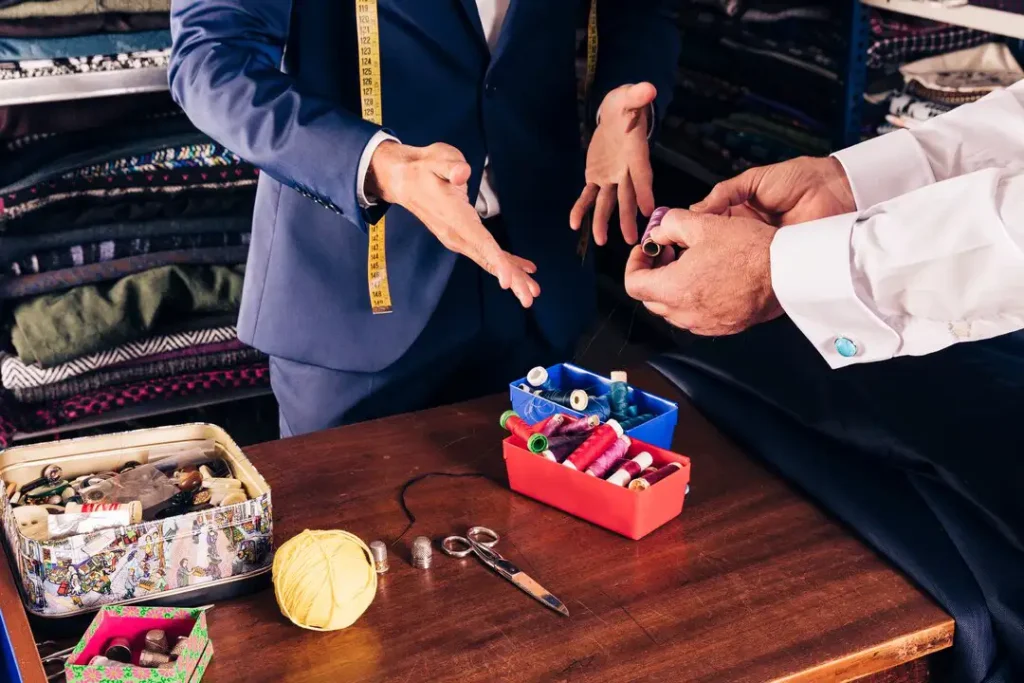
Tailor suit services cost more upfront than retail, often two to four times the price of an off-the-rack equivalent, but the value case rests on longevity and reduced alteration cycles rather than the purchase price alone. Extending the active life of clothes by just nine months can reduce their environmental impact by 20 to 30 percent, and a well-built bespoke suit, properly cared for, easily exceeds that nine-month threshold by years rather than months. Whether that math justifies the spend depends heavily on how often the suit gets worn.
There's a version of this argument that gets made too cleanly in most marketing copy: bespoke is always worth it, full stop. That's not quite honest. The real answer depends on frequency of wear, body stability over time, and whether the buyer actually values longevity over having more options in the closet. For someone who wears a suit twice a year, the case is weaker. For someone in it five days a week, it's considerably stronger.
What Does the Upfront Cost Difference Actually Look Like
Bespoke tailoring sits meaningfully above retail and even above most made-to-measure services, largely because of labor. A fully bespoke suit involves pattern drafting from scratch, multiple fittings, and hand-finishing on details like buttonholes and lapels, none of which a factory line does. The custom tailoring sub-segment commanded the largest share of the global tailoring services market in 2025, which suggests this isn't a shrinking niche service, even at the higher price point. The gap closes somewhat over a multi-year ownership period, but it never fully disappears, and pretending otherwise does a disservice to anyone weighing the decision honestly.
How Does Longevity Change the Real Cost Per Wear
This is where the math actually shifts in bespoke's favor, assuming the suit gets worn often. A retail suit in a similar fabric tier typically needs re-tailoring or replacement within two to three years of regular wear, as seams loosen and fabric wears thin at stress points. A properly constructed bespoke suit, built with a full canvas rather than fused interlining, holds its shape considerably longer. Spread the higher upfront cost over five or six years of regular use rather than two, and the cost-per-wear gap narrows substantially, sometimes closing entirely.
What Are the Real Drawbacks Worth Acknowledging Honestly
Bespoke is not without downsides, and a guide that pretends otherwise isn't being useful. The timeline is longer, typically two to four weeks minimum, which rules it out for last-minute needs. The global pool of skilled tailors is aging, with master tailors in established markets approaching retirement age, which creates scarcity and supports premium pricing rather than driving it down over time. Body changes also matter more here. A suit built for a specific frame fits that frame precisely, which is the entire benefit, but it also means significant weight changes require more involved alteration work than a retail suit's looser tolerances would.
- Higher upfront cost compared to retail or made-to-measure alternatives
- Longer turnaround time, generally unsuitable for urgent or last-minute needs
- Less forgiving of significant body changes after the suit is completed
None of these are reasons to avoid bespoke tailoring outright. They're reasons to be clear-eyed about who it actually suits.
Is bespoke tailoring a better investment than buying several cheaper suits over time
For frequent wearers, generally yes, mainly because the cost-per-wear calculation favors durability over volume. For occasional wearers, the answer is genuinely closer to a toss-up, and a single high-quality made-to-measure piece might serve better than committing to full bespoke pricing for something worn rarely.
Where Does a Service Like a Home-Visit Tailor Change the Equation
Convenience doesn't change the fabric or construction cost, but it does remove friction that otherwise discourages people from getting fittings done properly. A tailor who visits a home or office for each fitting stage makes it more likely that someone actually completes the full two or three fitting process rather than skipping a step to save time, which directly affects whether the final suit fits as well as bespoke tailoring is supposed to.
Does paying more always guarantee a better tailored suit
Not automatically. Price reflects labor, fabric sourcing, and fitting thoroughness, but a tailor charging premium rates without a rigorous fitting process is still cutting the same corners a cheaper tailor might, just at a higher cost. Price is a signal worth weighing, not a guarantee worth assuming.
References
- Tailoring and Alteration Services Market Report — Precision Business Insights, citing Ellen MacArthur Foundation garment longevity data
- Global Tailoring Services Market Research Report — Dataintelo, custom tailoring segment share and workforce aging analysis