
Recent Posts
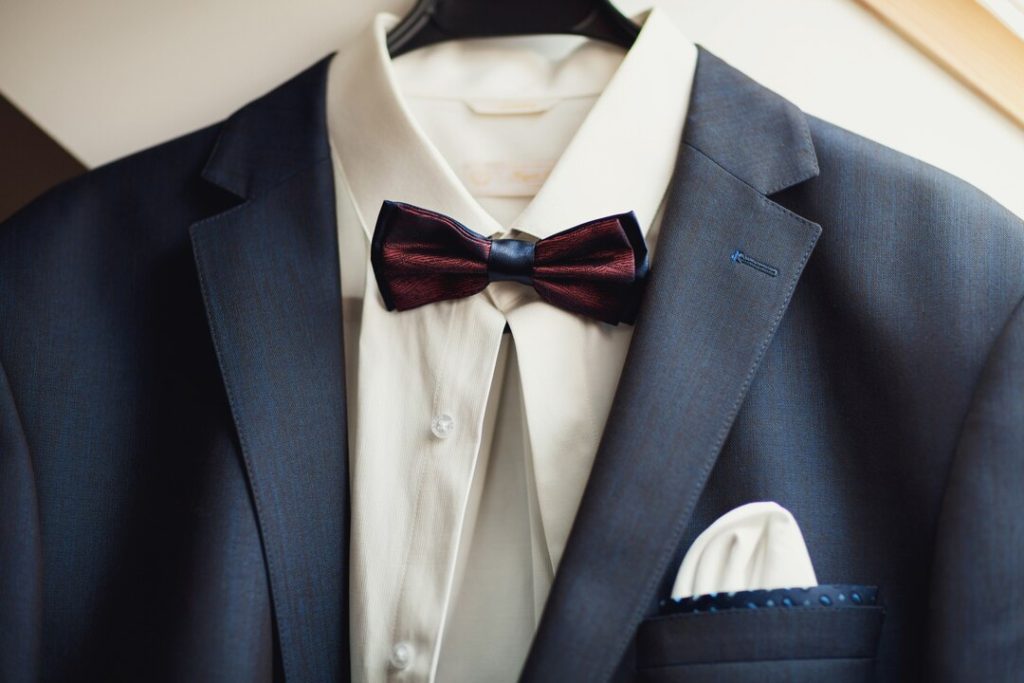
Suits tailors in Dubai built for business wear prioritize durability, breathable wool, and quick turnaround for repeat orders, while wedding-focused tailoring leans into heavier embellishment, structured silhouettes, and longer fitting timelines. Choosing between them depends on which occasion is being dressed for, since a tailor optimized for fast business suiting is not automatically the right fit for a sherwani or a heavily detailed wedding jacket, and the reverse is also true.
These are not the same job, even though both fall under "tailoring." A business suit needs to survive five days a week of meetings, travel, and air-conditioned offices that swing between cold and Dubai heat within the same hour. A wedding suit needs to look exceptional in photographs for one day and hold up under the specific stress of a long event. Suits tailors who are genuinely good at one are not automatically good at the other, and it's worth knowing the difference before booking.
What Makes a Tailor Good for Business Suiting Specifically
Reliability matters more here than almost anything else. A business client typically needs two or three suits built to a consistent fit, on a schedule that doesn't slip, in fabric that survives daily wear without losing shape. Tropical wool and wool-linen blends tend to dominate business orders in Dubai for exactly this reason, since they hold a crease through long days without overheating the wearer in transit between meetings and outdoor parking.
What Changes When the Order Is for a Wedding Suit Instead
Everything slows down, deliberately. Wedding tailoring usually involves heavier fabric choices, silk blends, structured shoulders, sometimes embroidery or zari detailing for sherwanis and similar formal pieces. Each suit is customized to the client's precise measurements, ensuring superior comfort and fit, with the waistcoat adding depth and sophistication even without the jacket in three-piece wedding configurations, which is a level of detail business suiting rarely calls for. The timeline also stretches, since embellishment work and multiple fittings simply take longer than a standard two-piece.
How Should Pricing Expectations Differ Between the Two
Business suits in straightforward wool typically sit at the lower end of a tailor's pricing range, since the construction is more standardized and the fabric choices are simpler. Wedding pieces climb quickly once embroidery, silk linings, or structural detailing enter the conversation. Prices vary greatly based on fabric selection, and the time involved in making a suit generally does not affect the price except where technical elements are introduced, which holds true broadly across this market, not just for one tailor. It's worth asking for a fabric-by-fabric price breakdown rather than a single flat number, since that flat number usually hides which fabric tier it assumes.
- Business suits: simpler construction, faster turnaround, fabric durability prioritized
- Wedding suits: embellishment and structural detail, longer fitting schedule, photography-driven finishing
- Repeat business orders: often faster once a base pattern exists from a first fitting
Can the same tailor handle both a work wardrobe and a wedding suit well
Often yes, particularly with home-visit services that carry a wide fabric range and can adjust their process per order. The skill required for shoulder fit and pattern drafting transfers across both categories. What differs is the fabric inventory and willingness to take on embellishment work, which not every tailor stocks for or wants to do.
What Should Someone Booking a Wedding Suit in Dubai Ask Upfront
Turnaround time tops the list, since wedding dates don't move and tailoring delays do happen. Asking specifically how many fittings are included, and whether embroidery or detailing work is done in-house or outsourced, avoids surprises closer to the date. A tailor unwilling to commit to a firm delivery window for a wedding order, particularly one inside six weeks of the event, is a risk worth weighing carefully.
How far in advance should a wedding suit be booked
Six to eight weeks is a safer window than the bare minimum two to four weeks quoted for standard bespoke orders, mainly because wedding pieces tend to need an extra fitting and any embellishment work adds time that simple wool suiting does not require.
References
- Bespoke Tailoring Market Research Report — GrowthMarketReports, service type and fabric segmentation
- The Bespoke Tailor, Dubai location page — pricing variability by fabric and technical detailing, referenced for industry context only